Showing posts with label phishing emails. Show all posts

Wednesday, 4 September 2019

The most popular Online Scams that everyone is falling for

As the internet expands so do the online scams and how sophisticated they are becoming.


What online scams all have in common is that they prey on your fear, greed, and ignorance – here are some of the most sophisticated online scams on the internet that everyone seems to fall for.

Phishing – One of the most popular scams out there is email phishing. Victims of phishing scams will be tricked into giving out their passwords through legitimate emails and seemingly trustworthy businesses. According to a recent study, nearly 100 000 attempts of phishing are reported each month.
Learn more about phishing scams here.

The Nigerian Prince Scam – One of the oldest online scams in the books is the Nigerian prince scam. You’ll receive an email from a Nigerian prince or investor offering you a chance of financial gain, the catch is you need to pay a small portion upfront or give out your private banking information.

Ticket Fraud – Victims of the ticket fraud scam will be tricked into buying fake tickets for popular sporting events, concerts, and other events. Often, the tickets will have forged barcode or be duplicates, while other times you’ll pay and never receive any tickets. Learn more about ticket scams here.


Celebrity Impersonators – Similar to phishing, online scammers sometimes like to pretend to be celebrities or influencers. The scam usually involves messaging victims and promising “gifts” if they click on a link.

Ransomware – Some of the worst scams involve ransomware. Hackers will install malware on your computer that blocks you from accessing your files, from there payment is demanded, often Bitcoin, in order for you to unblock your personal files.

GoFundMe Fakes – Another thriving online scam is using crowdfunding websites to take advantage of people’s generosity and can them into donating money for a fake fund.

Some of the most elaborate and sophisticated scams are doing the rounds on the internet right now, so always be on the lookout and use your common sense!

Want to know more about online scams as well as more about our Digital Forensics and OSINT (Open Source Intelligence) services? Contact us on 021 110 0422 or email contact@osint.co.za | www.contact@tcgforensics.co.za. Alternatively, take a look at our website www.tcgforensics.co.za | www.osint.co.za 

Wednesday, 21 August 2019

How can a Digital Device be involved in a Cyber Crime?

In this day and age, it is so easy for criminals to use a digital device to carry out a traditional crime.


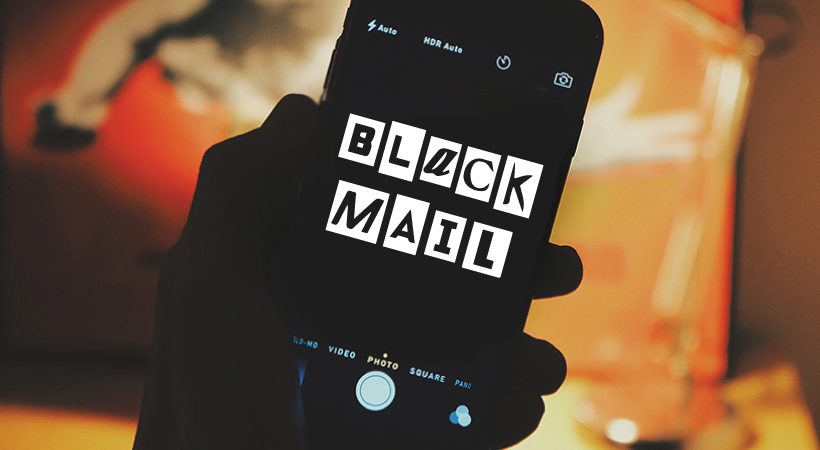
A traditional crime such as blackmail which, back in the day, would usually be done using newspaper cuttings collaged together to create a ransom note is now being done in a completely different way using the power of digital devices as well as the internet.

These days, it is so much easier for criminals to just use a computer to carry out a range of crimes such as, blackmail, identity theft, social media scams, ticket scams, dating bots, data theft and so much more.

Some examples of other traditional crimes where a digital device can be used include instant messaging, which is often used to commit harassment. Criminals also continue to pose as your bank where they will SMS you and try to scam you into paying fake accounts, etc.

Email is also used by cybercriminals on a regular basis to commit fraud by using phishing scams. It seems that the list is endless and so is the workload of digital forensics investigators as well as those dealing with Open Source Intelligence! Want to know more about our digital forensics and OSINT services? Please contact us on 021 110 0422, email contact@tcgforensics.co.za | contact@osint.co.za.

In the TCG Digital Forensics and OSINT department, we combine the experience of seasoned investigators with the latest technologies to achieve the results that you require. Contact us today!

Tuesday, 16 July 2019

The Top 4 Malicious File Attachments to look out for

Billions of messages are sent out every day by spammers, most of it is annoying advertising and harmless in general, but every now and again there is a dangerous file attachment in one of the messages!

Related image

To trick you into opening the attachment, most spammers will pretend it is something useful or important such as a Word document, gift card, a PDF, etc.

Here are the top 4 dangerous file attachments to look out for…

1. ZIP and RAR archives – Cybercriminals like to use archives to hide the malware they are trying to send you! On Valentine’s Day this year attackers were sending out files named Love_You_0899 to people into clicking them and installing ransomware.

2. Microsoft Office documents – Word documents as well as Excel spreadsheets are some of the most popular Microsoft Office files cybercriminals love to use. Most of the time, they will target office workers and disguise the malware files as urgent messages, contracts or bills.

3. PDF files – A lot of people know about Microsoft Office booby traps, but not much about PDF files. Cybercriminals are fond of concealing malware in PDF files because it can be used to create and run JavaScript files as well as phishing links in the documents.

4. ISO and IMG disk images – These files are rarely used however lately cybercriminals have been using these files to spread malware. Attackers will use the disk images to deliver malware to a victim’s computer by putting a malicious executable file inside the image.

Do not be fooled by file attachments that seem to be an amazing offer, important PDF or urgent  message!

Never open suspicious emails from email addresses you do not know and always use a the right security tools that will notify you of any dangerous files and notify you of them.

Related image

Do you feel unsafe? Be sure to contact OSINT | Open-Source Intelligence on 021 110 0422 or email contact@osint.co.za otherwise learn more on www.osint.co.za