Tuesday, 16 July 2019

The Top 4 Malicious File Attachments to look out for

Billions of messages are sent out every day by spammers, most of it is annoying advertising and harmless in general, but every now and again there is a dangerous file attachment in one of the messages!

Related image

To trick you into opening the attachment, most spammers will pretend it is something useful or important such as a Word document, gift card, a PDF, etc.

Here are the top 4 dangerous file attachments to look out for…

1. ZIP and RAR archives – Cybercriminals like to use archives to hide the malware they are trying to send you! On Valentine’s Day this year attackers were sending out files named Love_You_0899 to people into clicking them and installing ransomware.

2. Microsoft Office documents – Word documents as well as Excel spreadsheets are some of the most popular Microsoft Office files cybercriminals love to use. Most of the time, they will target office workers and disguise the malware files as urgent messages, contracts or bills.

3. PDF files – A lot of people know about Microsoft Office booby traps, but not much about PDF files. Cybercriminals are fond of concealing malware in PDF files because it can be used to create and run JavaScript files as well as phishing links in the documents.

4. ISO and IMG disk images – These files are rarely used however lately cybercriminals have been using these files to spread malware. Attackers will use the disk images to deliver malware to a victim’s computer by putting a malicious executable file inside the image.

Do not be fooled by file attachments that seem to be an amazing offer, important PDF or urgent  message!

Never open suspicious emails from email addresses you do not know and always use a the right security tools that will notify you of any dangerous files and notify you of them.

Related image

Do you feel unsafe? Be sure to contact OSINT | Open-Source Intelligence on 021 110 0422 or email contact@osint.co.za otherwise learn more on www.osint.co.za

Monday, 15 July 2019

What was Silk Road and how did it work?

Perhaps one of the biggest, most popular stories involving the dark web, was the shutdown of Silk Road, an online black market that trafficked basically any illegal goods, from guns and drugs to private personal data and malware.


A few years ago, the mastermind behind the Silk Road, Ross William Ulbricht aka Dread Pirate Roberts, was arrested and sentenced to life in prison. He was convicted of seven drug and conspiracy charges, including drug trafficking, computer hacking and money laundering. Ross was also accused of soliciting multiple murders for hire.

Ross sent a letter to a U.S. District Judge prior to his sentencing, saying that he had made a “terrible mistake.” “In creating Silk Road, I ruined my life and destroyed my future,” he wrote.

First let’s get this out of the way; Ross William Ulbricht is extremely smart. I mean, it’s not that simple to build and maintain a secret internet site, on which criminals traded drugs and assassinations for years!

“People should have the right to buy and sell whatever they wanted so long as they weren’t hurting anyone else.” – This was Ross Ulbricht’s vision when he created the Silk Road.

After the closure of the infamous online drug bazaar, the underground industry suffered a major setback, and while Silk Road was over and done with, its shutdown has not stopped the use of illegal online markets for purchasing illegal drugs.

If anything, most people have learnt a crucial lesson from the Silk Road take down, and have come up with almost seal-proof underground sites. This unfortunate event has made it even harder for authorities and law enforcers to close down the illegal dark markets on the dark web.


These new sites that have popped up after Silk Road are also part of a hive of illegal activities ranging from counterfeiting to pornography and gambling. This has made them perfect breeding grounds for illicit drugs trading.

But, let’s get back to the story of Silk Road. How exactly do you manage to sell drugs and all sorts of illegal things online without getting caught for more than two years? Can you really buy a gun on the web as easily as you can buy something from Amazon?

Well, not exactly, but it wasn’t that hard thanks to Tor and bitcoins. Here’s how Silk Road worked before the law shut it down…

Ross operated Silk Road on Tor, which is a special network on the internet designed to make it impossible to physically locate the computers hosting or accessing the websites on the network.

If you try to navigate to the Silk Road URL on a normal browser, you will get an error. To view it you need to install Tor software on your browser, although you can’t try that now since the site has been seized.

So how did Ross Ulbricht get caught in the end? Tor said that he made some mistakes in operational security and was caught by actual detective work, rather than exploiting problems with Tor.  The FBI managed to track him down in part thanks to an online post that linked to a Gmail account.

But how did Silk Road actually operate? Well, all you needed to do was install Tor, type in the Silk Road URL (you would need a username, password and country to sign up) and you would easily be inside.

Related image

Once you enter Silk Road on the dark web it’s actually just like an illegal Amazon.com! You could shop by category, whether it be “Weapons” or “Illegal Substances”, or even look through the photos of the current inventory.

A customer service section presumably provided assistance when your batch of drugs were a bit late; there were also product listings with descriptions, seller information, reviews and the famous “add to cart” button.

Silk Road relied on the virtual bitcoin currency, like Tor, bitcoins are not actually illegal; however they are often used for criminal purposes.

So, you’ve paid for your illegal products online, but how do you actually get that package in the mail? Wouldn’t you get caught if your package contained drugs or weapons? The answer is yes, possibly! It was basically just a shot in the dark; some packages might be intercepted, while others arrive safely.

In the end, the ironic thing was that Ross Ulbricht was caught in part because he had counterfeit documents shipped to him, which were intercepted by customs and he was then arrested.

Do you want to learn more? “Deep Web” is a documentary that was made in 2015 that tells it all and unravels the tangled web of secrecy, accusations and criminal activity behind Silk Road and the arrest of Ross Ulbricht. 

After many years the Silk Road story is still complicated and has many twists and turns!

Related image

Do you have more questions or enquiries about the deep and dark web? Feel free to call OSINT on 021 110 0422 or email email contact@osint.co.za or learn more here www.osint.co.za

Thursday, 11 July 2019

The Deep Web Vs. The Dark Web

You’ve heard the words before, but you don’t really know what they mean except that they sound scary. You think it’s a place where all the hackers lurk, but the truth is you’re not really sure.

Related image

Let’s clear the air on what each concept is and what you can find on them.

DEEP WEB

First of all you need to know that the deep web and the dark web are not the same thing, although they can sometimes overlap.

The deep web contains pages that are not indexed, meaning they will not pop up after a search on most search engines such as Google. These pages are basically invisible; unless you know the direct link or click on the link once you get in the deep side of the web.

Here are a few things you can find on the deep web:

- Personal email accounts
- Social media accounts
- Online banking accounts
- Businesses private databases
- Medical record
- Legal record
s

Related image

DARK WEB

The deep web is deep, but the dark web is even deeper. It is like the deep web meaning you cannot access it unless you know exactly where to go, however the dark web is more focused on illegal activities, products and services.

On the dark web you can expect to find some pretty gruesome things, including:

- A marketplace for illegal drugs and weapons
- Blueprints for 3D printing things, mostly illegal things
- WikiLeaks documents
- Abuse videos (children, animals, etc.)
- Child pornography content
- Marketplace for hiring hitmen
- Snuff films and “red rooms” – these are often said to be urban legend
- Recipes on how to eat and cook human meat

Watch this video to learn more about what horrific things can be found on the dark web here!


Please be aware that the dark place is in fact a dangerous place, especially if you are not particularly a tech-savvy person. Do not go snooping on the dark web out of curiosity, well at least not without being properly prepared!

Should you have any questions or queries please contact OSINT on 021 110 0422 or email contact@osint.co.za otherwise learn more about our open-source intelligence & digital forensics services on www.osint.co.za or www.tcgforensics.co.za

The 7 Worst Social Media Scams

Cyber criminals are everywhere, they’re even terrorizing your social media news feed!

In this day and age your personal information such as where you go, what you do, who you chat to and what you like can be used as valuable data by cyber criminals. These cyber criminals will sell your private data to people who will use it to target ads, launch campaigns and other malicious operations.

Related image

You may be thinking to yourself, I’m only one person; no one is going to target me. Well, you’re very wrong! Should you fall victim to a social media scam it not only affects you, it affects your entire network of friends and contacts.

Make sure you know these common social media scams and avoid them as best you can…

1. Quizzes, Surveys & Contests. These scams are cute enough to make you think they’re completely innocent. And while you might think it’s all fun and games when they ask you your mothers date of birth or maiden name so you can see what Game of Thrones character you are, they are in fact getting information about you and your loved ones – do not click on these!

2. Clickbait. It’s almost irresistible to ignore that headline and not click on that unbelievable article, but the truth is it’s just bad actors doing a really good job at knowing what clickbait will tempt you. Should you click you’ll be redirected to where they want you to go, most of the time it’s to a fake login page where they can steal your information!

3. Cash Requests. Someone you know is desperately asking for money be aware that it could be someone who has hacked into their account and is not spamming every one of their friends, asking for money. Always double check with your friend if you receive a request for money on a social media website.

4. Short URLs. They save space, but criminals on social media sites are using these shortened URLs to trick you into clicking them and spreading virus, malware and so much more! Before you click on anything, check on http://www.checkshorturl.com/ to ensure it will take you to the official website.

5. Suspicious Friend Requests. This one is obvious, but whenever someone sends you a friend request always ask yourself, why? If you can’t think of a reason rather ignore the friend request. In today’s digital world, you can never trust the kindness of strangers, especially those on social media.

6. Double friend Requests. You have probably experienced this one before, you received a friend requests from a friend you already have and justify it as their new profile or a mishap and accept the request. Well, it’s not your friend; it’s a cybercriminal hoping you let them in!

7. Fake Emergencies. These “emergencies” will seem to be from a friend or the social media site itself informing you of something critically important on your account. Cyber criminals are hoping you’ll be a panicked state and enter your login details, giving them access to your private information. Never trust links within messages, posts, or emails.

The good news for you is that these scams are easy to spot and avoid, the bad news is that millions of users who are not tech-savvy will be innocent enough to fall for them!

Have you fallen victim? At OSINT, we will do what we can to assist you, call 021 110 0422, email contact@osint.co.za or learn more here www.osint.co.za

Tuesday, 9 July 2019

The Three Major Risks when Borrowing Money Online


On the internet everything is easy, from ordering takeaways to paying your bills. However the stakes become a little higher when you’re looking to apply for a loan.


When it comes to a personal loan, you need to provide private information to someone you might not even know, so you have to be sure to be completely safe online, especially when you’re thinking of loaning a large amount of money.

What are the risks when it comes to borrowing money online?

Here are the three major risks that you could be facing if you do not look out for the red flags when borrowing money online:

LOSING MONEY

This is the most obvious risk. Fake loan providers will easy set up a fake business, promise you the world and then charge you fake fees to approve your loan. In the end you don’t ever get what you paid for.

PAYING TOO MUCH

Even if you do end up getting a legitimate loan, you may end up paying an arm and a leg to a bad loan provider. A loan provider that is reputable will give you a reasonable price for a loan at fixed prices.

IDENTITY THEFT

This will happen to you if you give out your private information to a fake loan provider that is actually looking to steal your identity. You may be asked to go to a fake website and fill in your personal information such as ID number, date of birth, address, etc.

Overall you could be simply wasting your time and effort trying to borrow from a fake loan provider!
Don’t become the next victim of a personal loan scam, here’s how!


I think I’ve been scammed – Now what?

Please contact OSINT immediately on 021 110 0422 or email contact@osint.co.za otherwise learn more about our open-source intelligence & digital forensics services on www.osint.co.za or www.tcgforensics.co.za

Don’t become the next Victim of a Personal Loan Scam!

When you’re stuck in a situation where you can’t pay medical bills or your car needs repairs that aren’t covered by your insurance, a personal loan might be an easy answer to all your problems.

Related image

However, you always need to be wary when it comes to personal loan scams; luckily there are a few red flags to look out for to help you spot the fakes and frauds!

Here are the 8 signs of a personal loan scam…

1. There’s no credit check. All legitimate personal loan lenders will do a credit check before to ensure that you can repay the money. A scammer will not be interested in your credit score because they’re typically after your personal information instead.

2. The personal loan lender isn’t registered.
In South Africa, as well as most other places, you have to register to be a loan provider. If you search for a loan provider or business and find they are not registered, you’ve probably found a fraudulent website!

3. The loan offer isn’t complete.
All loan lenders need to complete all the terms of a loan, this includes the final costs and the interest. If the offer you are signing for has the bare minimal information, spelling mistakes, grammar errors and just looks a little suspicious, it’s probably a scam.

4. There’s no physical address. If you cannot find any contact information or you can’t find their physical address then be aware that this personal loan is probably a scam. All scammers will make it as hard as possible for anyone to get in touch with them later to avoid legal action!

5. You must act now before the offer expires. The offer is urgent and you need to sign for the loan before it expires – this is most definitely a scam! All legitimate loan providers will have a steady rate, while scammers will fool you into acting quickly without reading the fine print.


6. You need to pay upfront. Any loans that demand you to pay certain fees for “processing” or “insurance” are scams. Any loan provider that asks you for payment before to process your application is just a scammer looking to take advantage of situations when people desperately need money.

7. Guaranteed approval. It is impossible that you will always be guaranteed approval of a loan, there is no such thing as a guaranteed personal loan. A legitimate loan provider will first have to check your credit as well as your information before the loan is guaranteed.

8. Payment in the form of cash or a gift card. A loan scammer will try to get you to pay them in a way that is untraceable, such as with cash or in the form of a gift card. No legitimate loan provider will request you to pay like this and if they pressure you to do so it is probably a scam!

I think I’ve been scammed – Now what?

Please contact OSINT immediately on 021 110 0422 or email contact@osint.co.za otherwise learn more about our open-source intelligence & digital forensics services on www.osint.co.za or www.tcgforensics.co.za

Friday, 5 July 2019

Are you Dating an Online Scammer?

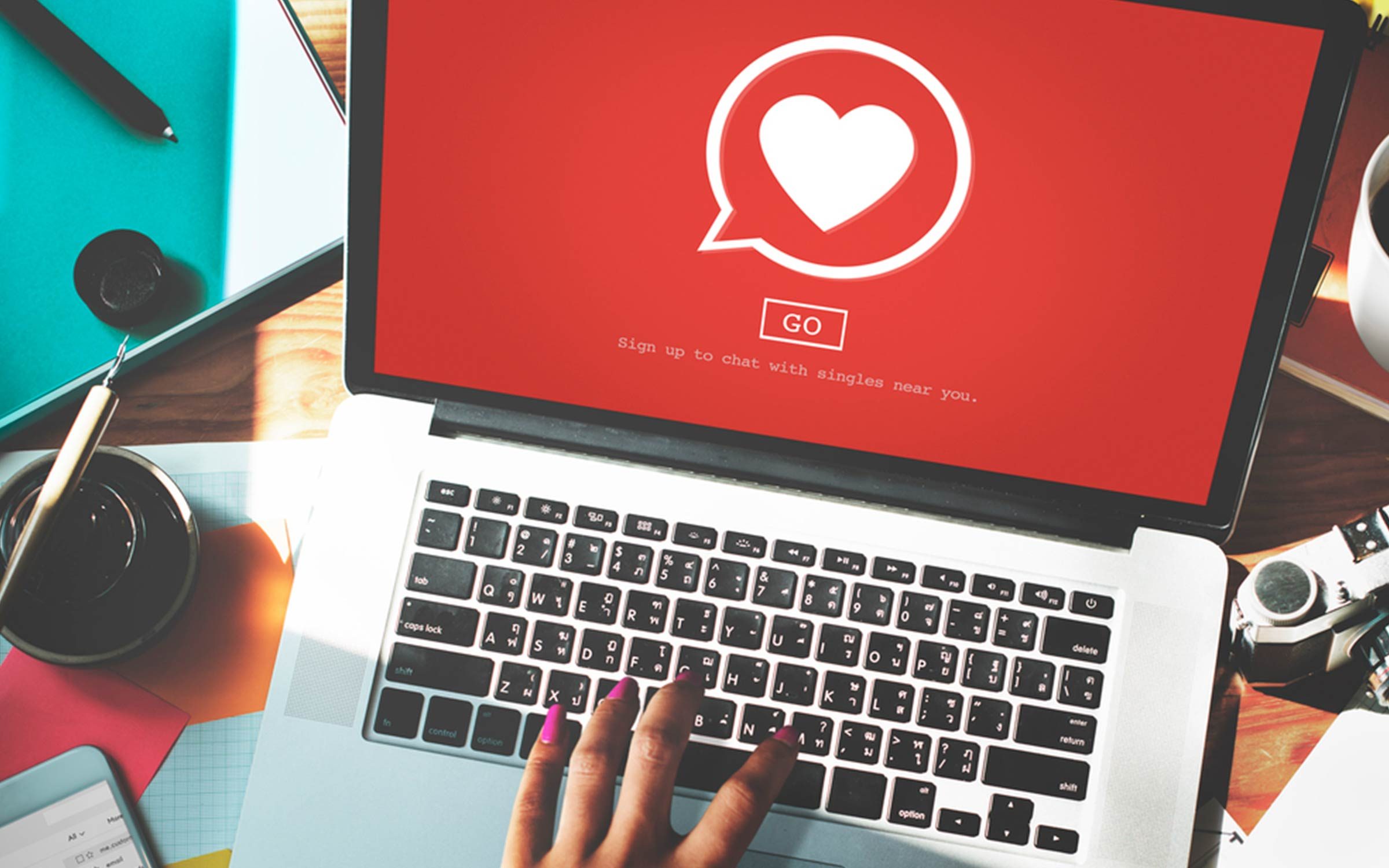
Dating scams cost unsuspecting people money as well as heartache each and every year, but still people continue to fall for the tricks and so online dating scams continue to rise.

Related image

These cybercriminals will play a long game to cheat you out of your money, rather than using a simple phishing email or scam. If you are using an online dating app or chatting on social media, please be aware that these cybercriminals do exist and you could even dating one!

Be sure to look out for these signs to tell if the person you’re dating online is actually a scammer!

1. Suspicious Profile

A typical scammers dating profile will have only a few images that have been posted recently. Most often these images are model or glamour stock photos. They’re looking for singles in your area, but they work or live in another country. Be wary if the profile has limited information and only one or two photos.

2. Moving the Conversation

Online dating scammers will try their best to move the conversation to another form of messaging such as Skype, Facebook, WhatsAppor SMS. If they try and take the conversation elsewhere – be on alert!

3. Professing their Love

You’ve just started chatting and they profess their love for you and gush about the deep emotional connection you have. This is all a way to emotional manipulate you, especially if you are feeling isolated and vulnerable at the time. Always lookout for those who are overly flattering in the early stages of the communication.

Related image

4. Something always comes up

A common line used by scammers is planning to meet up with you but then an unexpected issue always comes up just before it happens. Because they can’t meet up with you, this might even be one of the first reasons they ask you for money, perhaps they’ll lie and say they don’t have money for a plane ticket or to travel.

5. Avoiding Video Chat


Did you know that the majority of online dating scams go back to those living in Nigeria? So they may avoid phone calls or voice chats because their accents and appearance will give them away. No matter where they are from, someone scamming you will be using fake photos so they will always make excuses not to video chat. Do not be fooled by someone who says they love you and then blames shyness for not wanted to communicate over video.

6. Requesting Money

The ultimate goal that an online dating scammer has is to rob you of your money, so there are a range of scenarios they will make up. Some of the most popular include: a sick family member or emergency, health issues and travel problems. You are definitely the target of a scam if you ever get any kind of financial request!

7. Assisting with Financial Transactions

A newer kind of online dating scam is turning the victim into a money mule or money laundering accomplice! Be on full alert if you are ever asked to do any kind of financial transaction or exchange, they would possibly be luring you into doing something illegal.

If you choose to date online, please be sure to take the right measures to protect yourself and overall just use your common sense.


If you think you’ve been a victim of an online dating scam or perhaps you think you might be dating a scammer right now – contact the OSINT department in South Africa on 021 110 0422 or email contact@osint.co.za | alternatively visit the website to find out more www.osint.co.za